BYTE is a tactics RPG that adapts the classic novel Dracula, by Bram Stoker, with an emphasis on the themes of queerness and technology. You play as Jonathan Harker, Dracula’s real estate agent, completing work tasks while exploring the castle, speaking with its inhabitants, and hacking into computers.
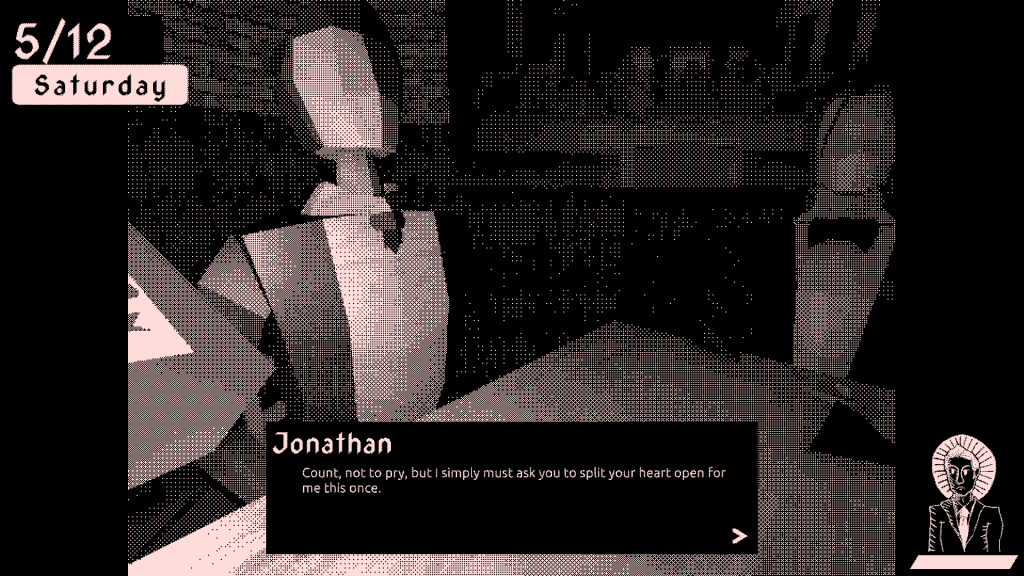
The BYTE: Write your vows in blood! demo takes you through Jonathan’s first month in the castle. Begin working, learn the thrills and terrors of the real estate world, and help the Count prepare for a wedding he plans on hosting at the castle at the end of the month.
This game is a work in progress! Development began in January 2023 and I have no plans on stopping. Want to see more updates on BYTE as they come? Follow me on Itch or Twitter!
To read more about the development of BYTE, check out the devlogs!
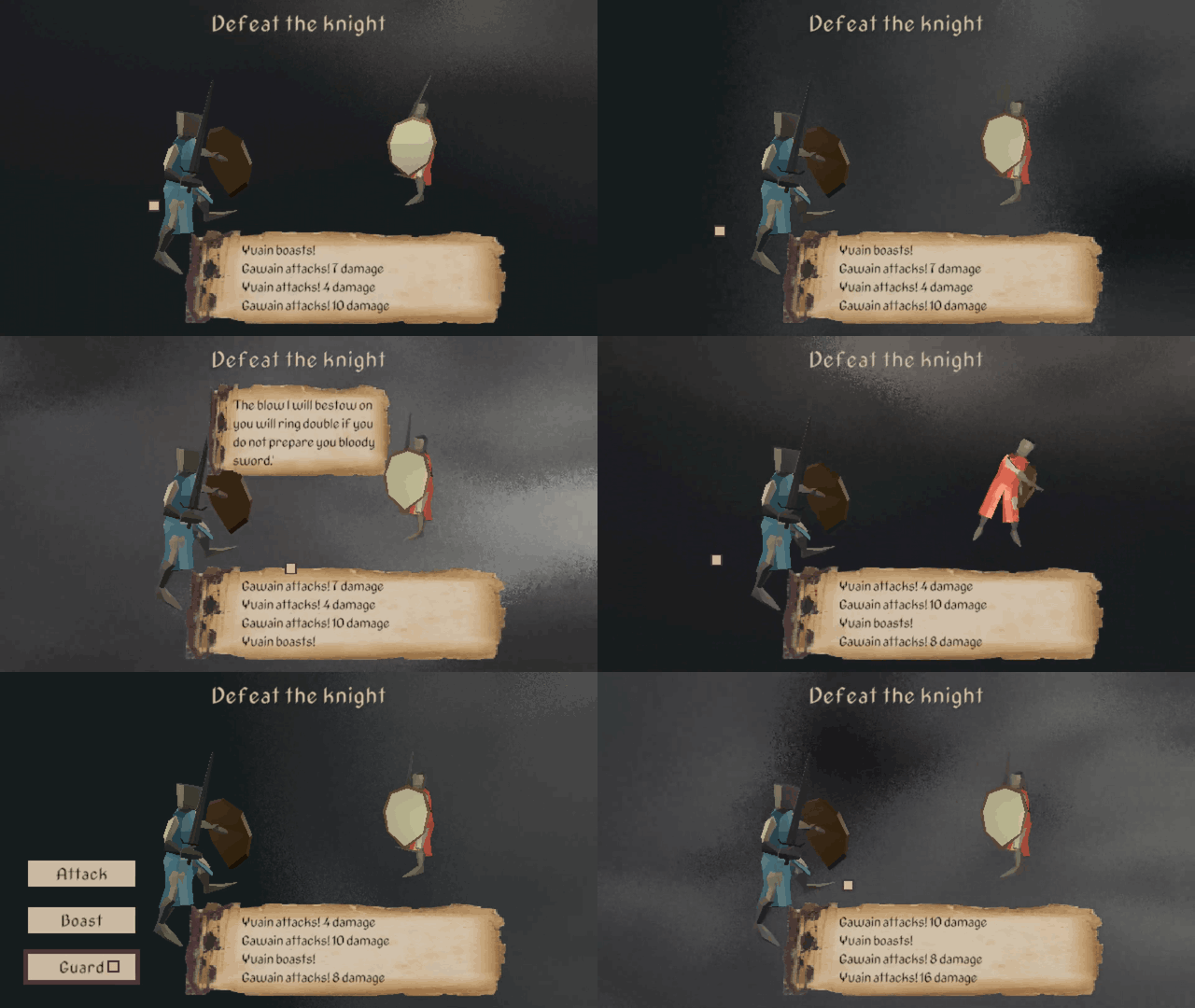
Yvain and Gawain: The Game is a small tactics-RPG based on the story Yvain, the Knight of the Lion, by the medieval French writer Chrétien de Troyes. The game explores the moment that two best friends, Yvain and Gawain, must fight each other in order to defend the honor of two women they just met. The only catch is that they do not recognize each other.
Yvain and Gawain
Yvain and Gawain takes de Troyes’ dense, dramatic, and often humorous work and tries to pull out the cores of its interesting components. The game significantly cuts around the texts’ extensive narration to pull out the lines and quotes that exemplify Yvain and Gawain’s powerful bond, and how that bond is modified by their unfortunate fight.
I specifically wanted to look at the queerness of the scene because while Yvain is technically a romance, the romance does not play much of a role in any of Yvain’s actions and definitely has no impact on this scene. Instead, this entire scene is initially driven by Yvain and Gawain’s blind pride but then, after the recognition scene, is driven by the passion that the two knights display for each other. I wanted to explore how the text depicts masculine bonds and how it tries to use the presence of women to distract from their potential homoeroticism. By extracting the knights from their environment both literally in their setting and also by only showing the lines that have to do with their direct bond, I highlight the depth of emotion that the knights feel for each other, a depth they do not demonstrate towards anyone else in the story.
Turn-Based Chivalry
This turn-based RPG uses boasts as its buff/debuff system, bringing the themes of masculinity and chivalry into the system as well as the story. I wanted the boasts present because chivalry is designed, among other things, to defend the masculinity of the knights, and constantly asserting your power over other knights, both physically and verbally, is an important part of upholding and enforcing chivalric values. The knights, in the text, though, do not actually boast in their fight, so instead, I selected lines from after the fight, where the knights praise each other before the recognition scene, and inverted the praises to turn them into boasts. For example, instead of a knight saying “You stunned me with your blows,” they boast, “I will stun you with my blows.” This retains the tone of de Troyes’ text while giving me the boasts I wanted for the combat system.
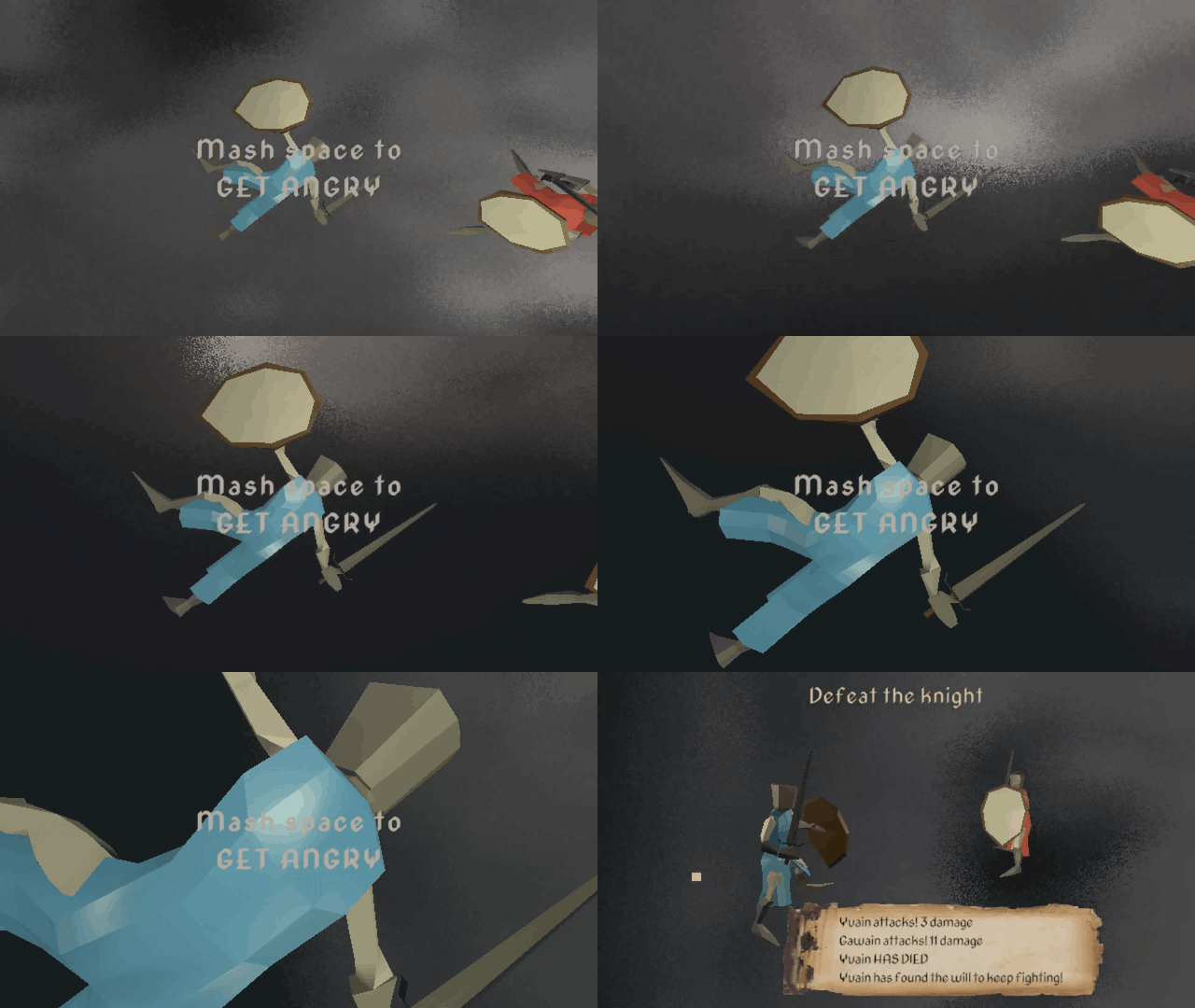
In addition to the boasts, death is a unique mechanic designed to capture the energy and anger that often drives knights in Arthurian romances. As a designer, I hate fail states in games (mostly because I think they’re annoying both as a player and a developer), so I wanted to make death a mechanic that enables you to bounce back. I was inspired by another of de Troyes’ romances, Erec and Enide, in which Erec dies or nearly dies a lot. Despite these deaths, though, Erec often bounces back angrier and more driven than ever, an attitude that I wanted to incorporate into the game. Dying in the game is just another opportunity for Yvain to prove how truly masculine and tough he is.
BYTE is nearly back and it’s time to write your vows in blood! This new content update for BYTE introduces bundles of new mechanics, characters, and scenarios, dragging you further and further into Dracula’s castle. Follow Jonathan as he learns more about himself, real estate, and Dracula’s hidden secrets. Read all about the new things coming to BYTE down below!
Returning in mid-December, it’s time to start preparing for BYTE: Write your vows in blood!
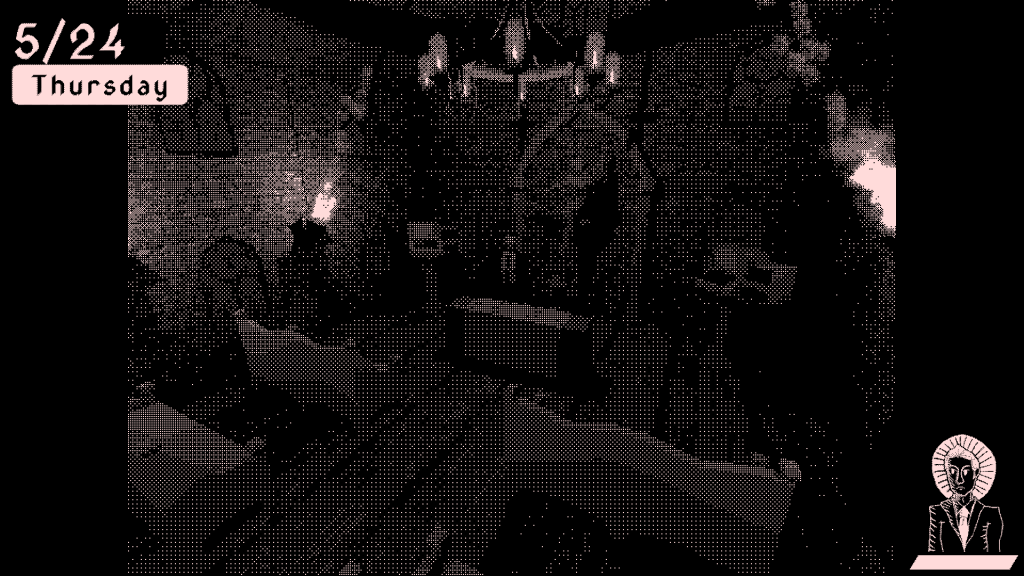
“Oh, what a delight to be back at my desk!”
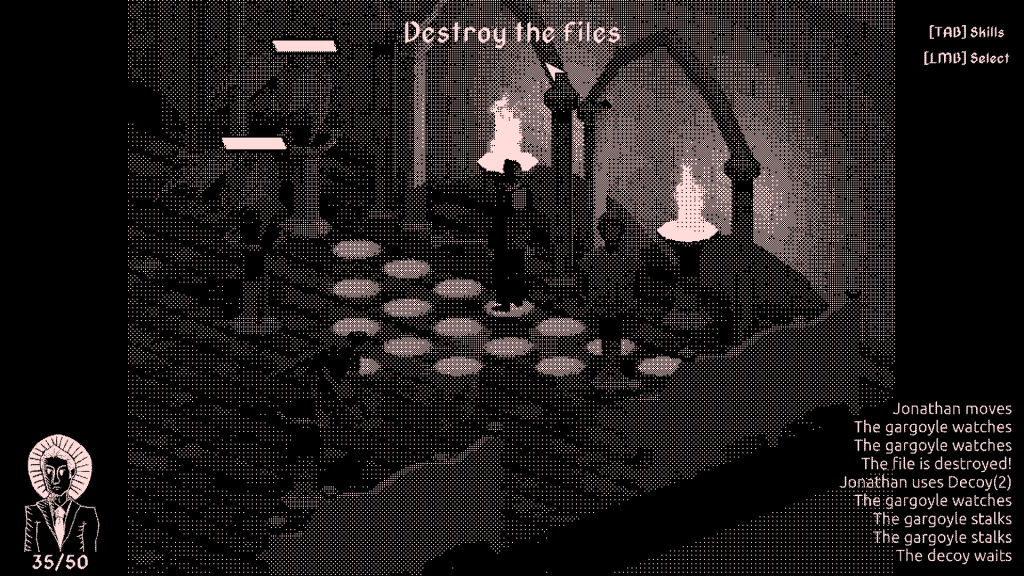
Jonathan has all new tasks. He’s reaching out to potential sellers, he’s sending faxes, he’s wiping computers, he’s installing software, and he’s investigating hidden files! See Dracula’s world through Jonathan’s eyes and get to work!
“Jonathan, you’ve met our friends, right?”
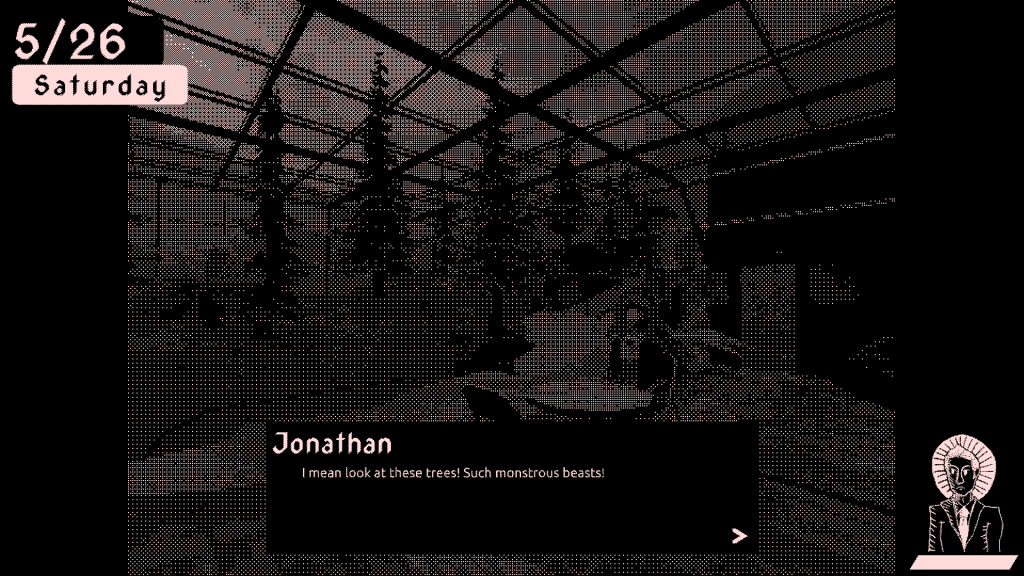
It’s a summer of love, your friends are here, and they’re ready to party! Or…well…get wed. Jonathan’s friends, Lucy, Arthur, Quincey, and John all arrive to celebrate the occasion. Meet Jonathan’s new and old friends as you learn their dynamics and just what brought them all the way to Oregon.
“Fated for all eternity to return to dust”
Dracula brings his associate Father Keons into the fold he has brought with him new Christian ideas that Jonathan doesn’t know what to make of. Get to know Father Keons as you assist him in setting up the chapel for the wedding. Go to mass, listen to his Grace before breakfast, and chat with him about the meaning behind the symbols in his Church.
“Look at these files!”
Computers are only getting scarier, Jonathan! BYTE: Write your vows in blood! features numerous new combat scenarios and objectives. In addition to the current objectives of getting into computers and extracting files, now you also need to destroy files and install software! Help Jonathan as these computers challenge his knowledge of systems and test his confidence in himself and his abilities.
“Oh, heavens! What is that? It looks like a gargoyle!”
Yikes! As if bats weren’t scary enough, now there are gargoyles too?!? Help Jonathan learn the inner workings of these new beasts and beat them in cyberspace.
When creating the Windows build for my BYTE demo, I ran into a very sticky issue where, for some reason, the windows build displayed this pink screen instead of the correctly dithered scene from the Unity Editor.
As you can see in the image, the UI does correctly display on top of the pink screen, which pretty clearly cued me into the fact that this had to do with either my shaders or the RenderFeature that used a Blit to apply the shaders to the camera’s RenderTexture. This was confirmed by the fact that the screen was not totally white, but pink, which was the color my Threshold shader was supposed to apply to the dithered texture.
Initially I thought that this might have something to do with my dithering shader, which was supposed to apply just before the threshold shader, but testing didn’t confirm that. The two approaches to testing I used were to try other RenderFeatures and shaders–which I knew worked–in the BYTE project, but the builds seemed to have the same results (the screen would be white, pink, or grey depending on what combinations of shaders I used). I also tried my dithering and threshold shaders on a different project and had no issues creating a build of that project.
This indicated that, for some reason, the Unity project was not correctly passing the camera’s RenderTexture to the RenderFeature and my shaders were just running on a white screen. This was, safe to say, a big issue, made even worse by the fact that I could not find a single person on the entire internet that had encountered this issue before. I came very close to making my first Unity forum post asking for help before I remembered something: this project was a built-in render pipeline project that I upgraded to the Universal Render Pipeline after creating the project.
This was, and this is not an exaggeration, the only seemingly significant difference between the BYTE project and the other project that I tested my shaders on, so I created a new Unity project in URP and copied all my assets over to it. It worked perfectly. There were no issues.
It looks like there must have been some discrepancy or error in the Unity project when upgrading it to URP that didn’t fully transfer the project to the new pipeline, which caused issues when creating a build specifically. I have no idea what the issue was or if there was an alternate solution, but making a new project was the only way that I could find to resolve it.
PSA: IF YOU WANT TO USE RENDERFEATURES IN URP, DO NOT MAKE THE PROJECT IN THE BUILT-IN PIPELINE AND UPGRADE IT
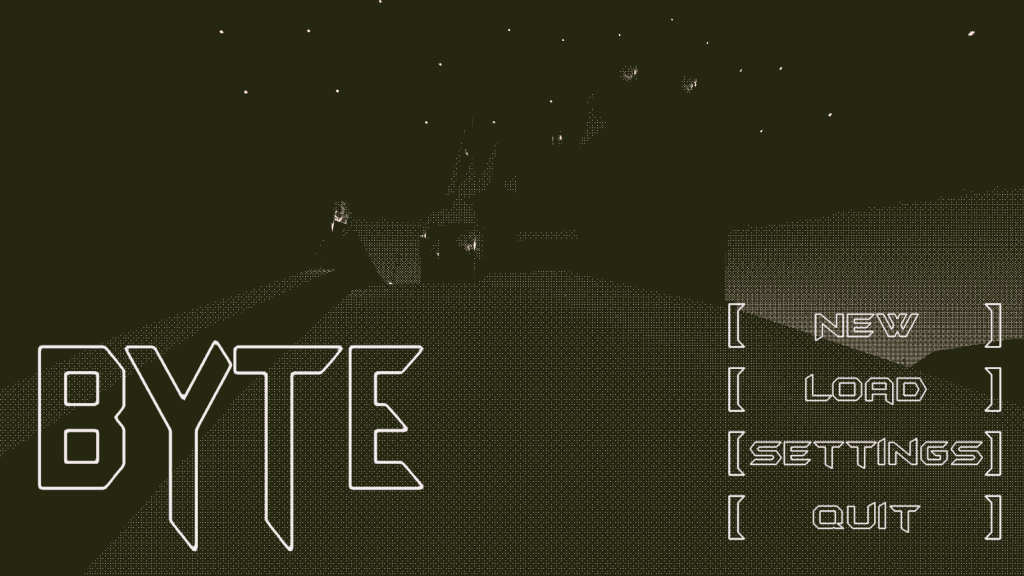
BYTE is a tactics game based on Bram Stoker’s novel Dracula that re-imagines the story in the 1980s, at the dawn of the digital age. It will adapt the themes of Dracula to a new, modern era, examining what it would mean for Dracula to interface with computers and the internet.
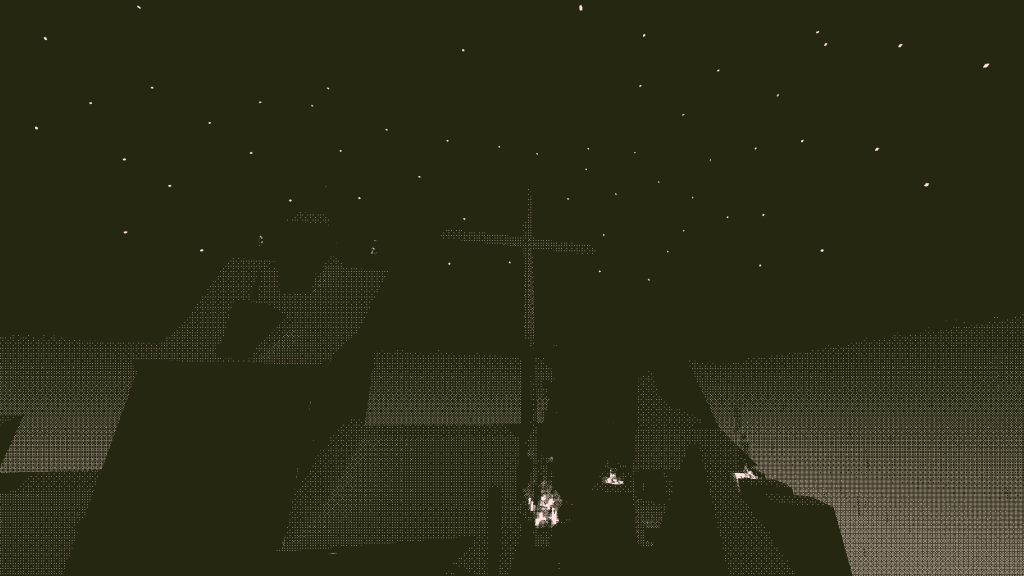
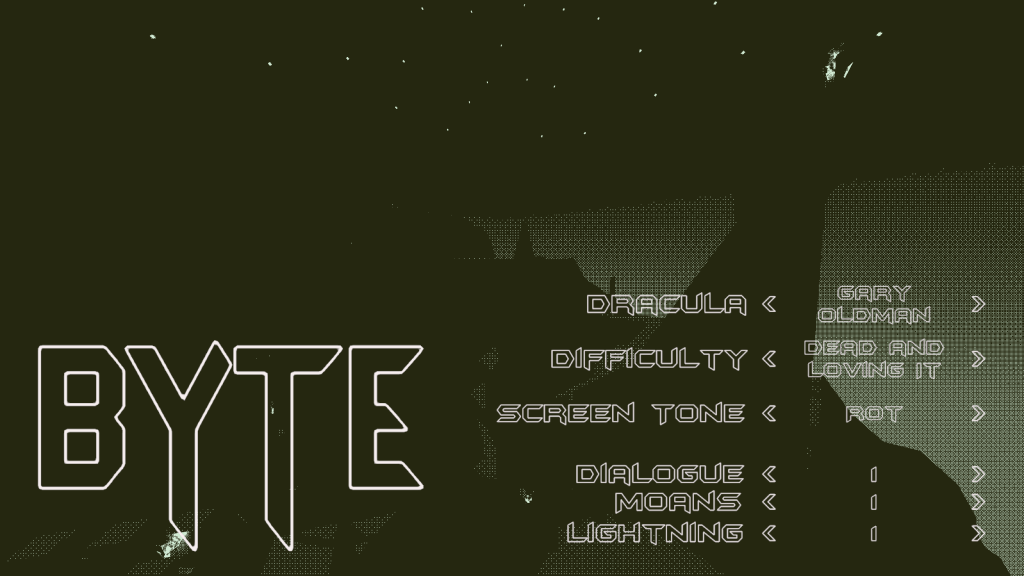
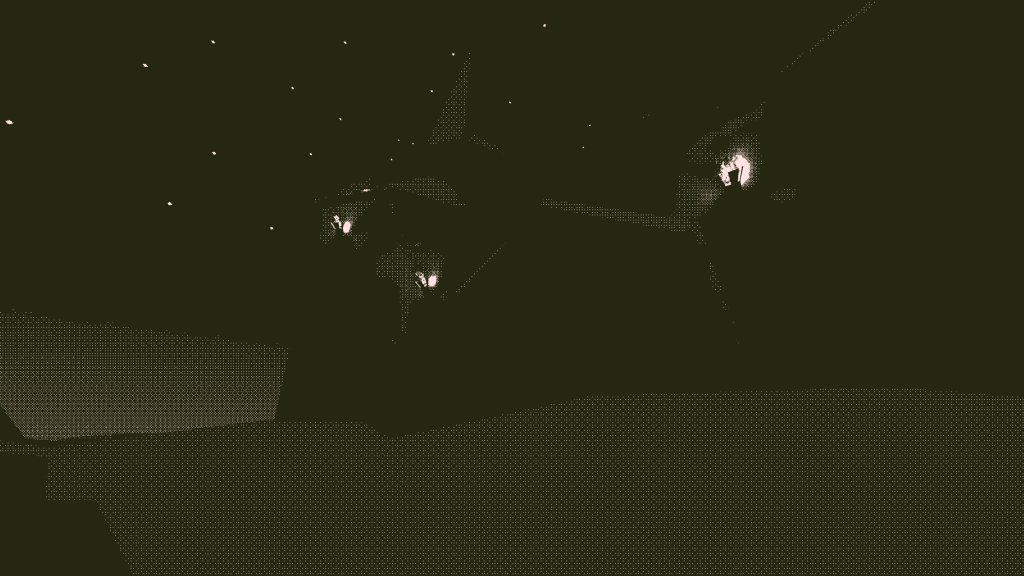
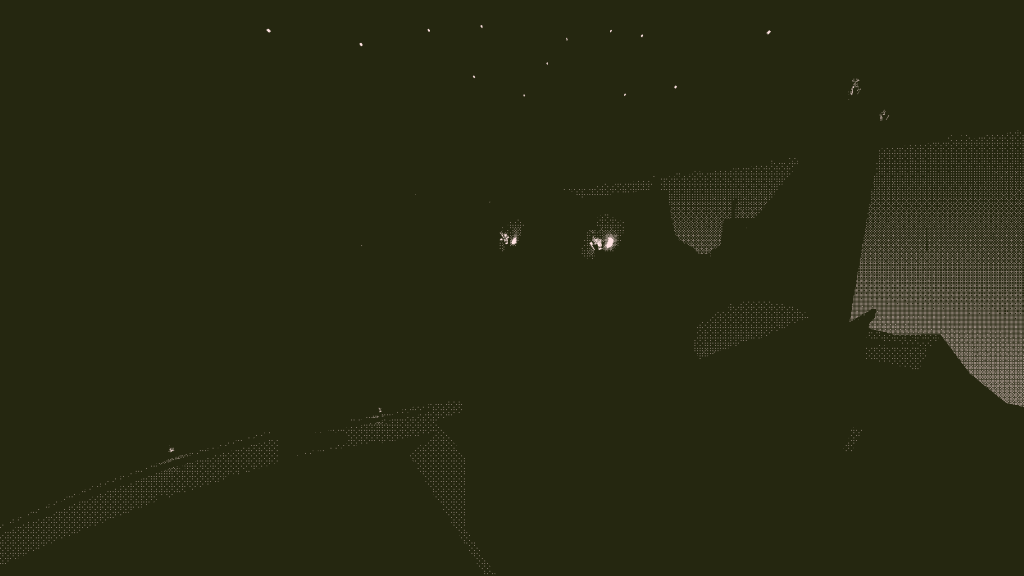
This visual demo is a mock-title sequence for the game that depicts the core visual motifs as well as injecting some elements of tone that would carry over to the actual game.
The visuals primarily pull from Return of the Obra Dinn, but remove some of the effects on the dithering to create a more traditional type of dithering that you would have seen in PC games from the ’80s like Policenauts. The coloring is not perfectly black-and-white, but instead black and a pale red, thought in the settings the red can be changed to white, blue, or green. (Note that the screenshots tend to make the red look green. It’s red, I promise.)
For the audio, I took the “Timesteps” track from Wendy Carlos’ A Clockwork Orange soundtrack, broke it up into a bunch of “main” and “transition” pieces, and then alternate between random main and transition pieces to create a smooth, ominous, looping score. I then layered in dialogue from Francis Ford Coppola’s film Bram Stoker’s Dracula. In the process of getting the audio, I wound up also gathering a large collection of moaning sounds (which appear frequently in the film), and mixed those in as well, at random intervals. All the audio comes together to create a slow but ominous and moody feel for the title sequence.
Finally, the mock menu features some various settings that the player can mess with. The bottom four settings allow the player to change the color of the threshold shader and change the frequency of the different audio clips. All six settings are meant to capture some of the more humorous tones of the game, though, taking a slightly more camp, self-indulgent approach to Dracula. I wanted to play into the various different relationships people have with the Count, pointing to different actors and films, as well as allowing for some control over the actual audio-visual feel of the game.
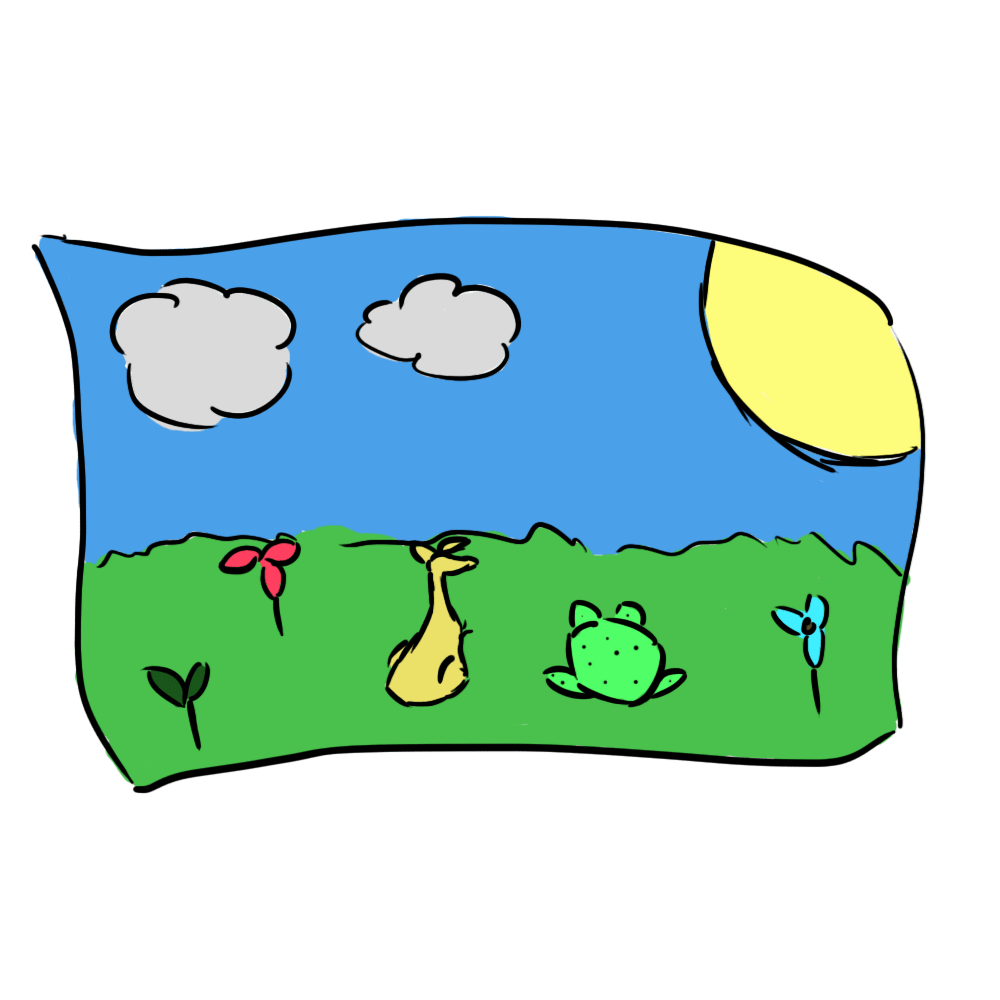
A little Twine game about Frog’s adventure on her birthday to find all her friends and have the best birthday possible.
This game features an interactive picturebook look, with illustrations for every “page”, and a structure that lets the player see the entire world and meet all the characters.
Play as the sailor Strauss as he charts the waters on a stormy night to deliver oil to lighthouses in desperate need of extra supplies. Keep your ship afloat and your stomach full as you explore the world, traveling from lighthouse to lighthouse, learning about the world, the sea, and the people who watch it.
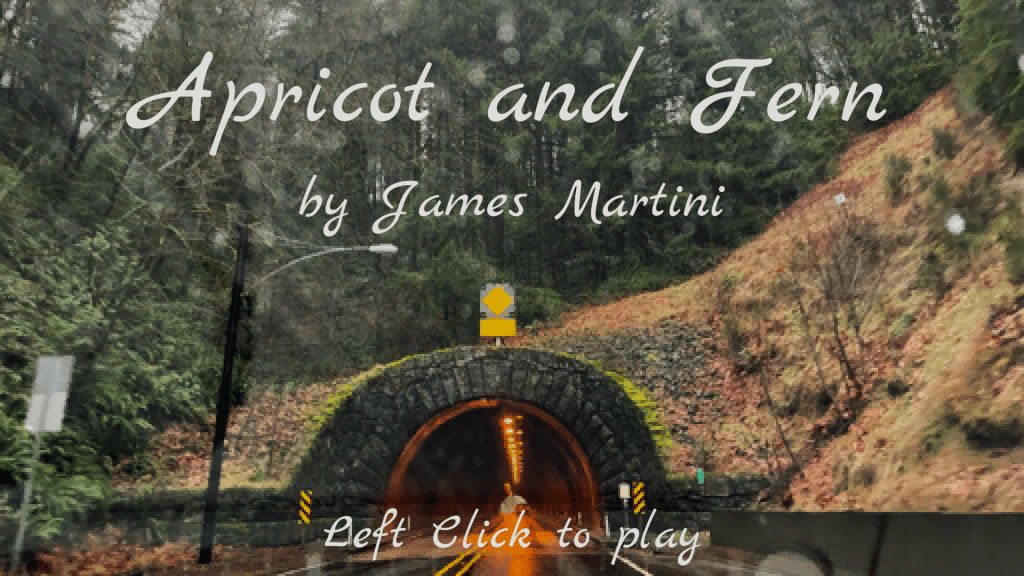
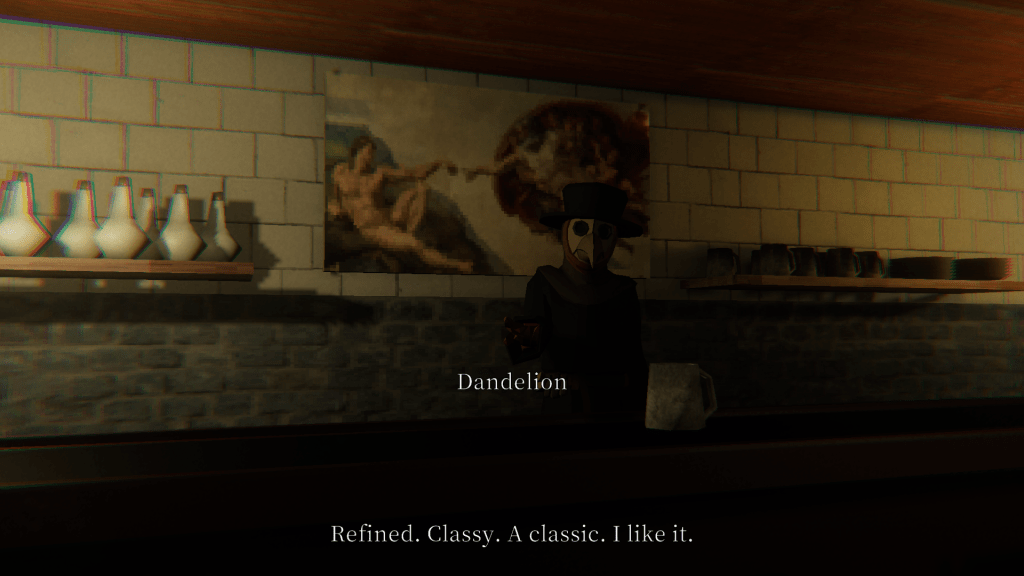
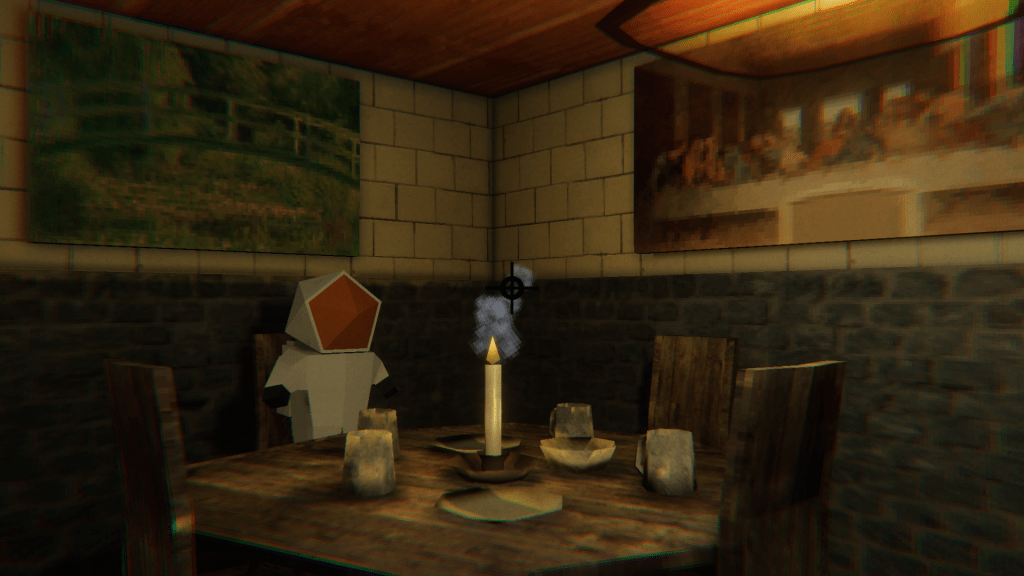
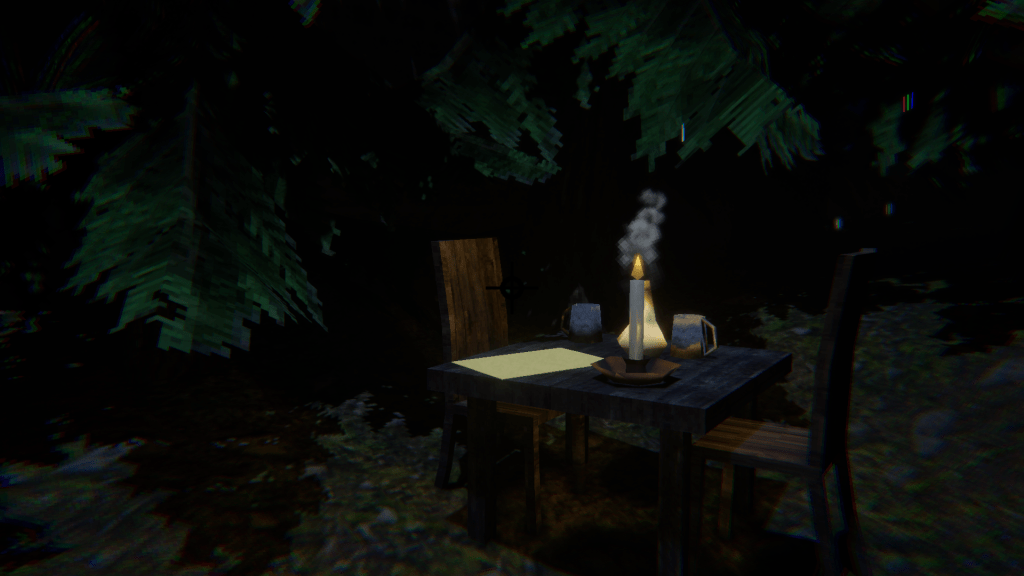
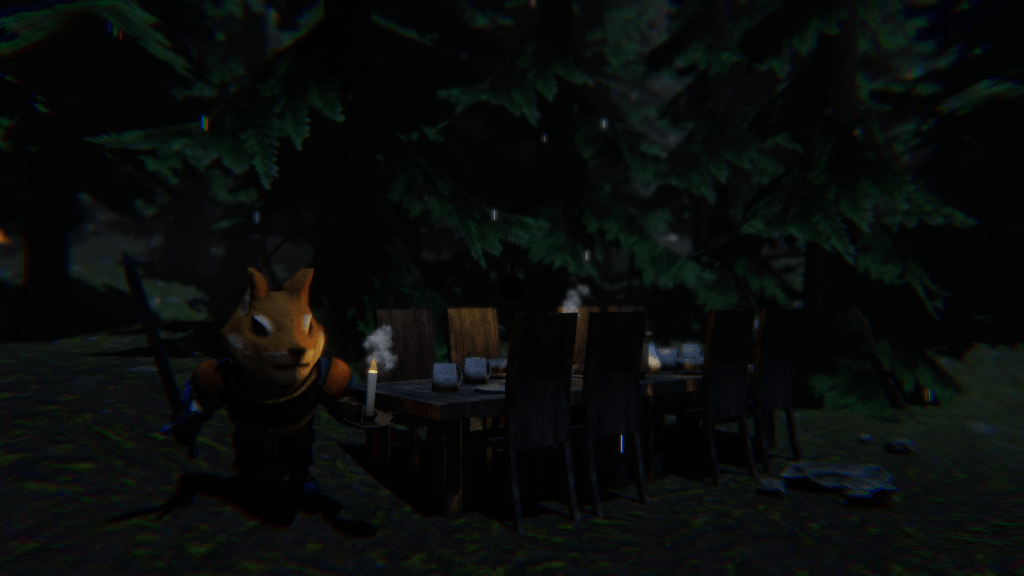
In Apricot and Fern, have a relaxing evening exploring this cute cafe nestled deep in the woods. Talk to the patrons, who love to spend their time lounging, playing games, and chit-chatting the night away.






 James Martini